Genetic Suppressors and a Natural Flavonol Rescue a KIF1A Disease Mutation in C. elegans
2026-09-11 16:58
Keywords: KIF1A-associated neurological disorder; Fisetin; UNC-104; Suppressor mutation; Caenorhabditis elegans
Introduction
KIF1A is a core kinesin motor protein responsible for axonal vesicular transport in neurons. R11Q was identified in a patient with autism spectrum disorder and ADHD. More broadly, KIF1A mutations across the gene cause KAND, a spectrum of disorders that includes hereditary spastic paraplegia and neurodegeneration. C. elegans is a well-validated model for KAND: its UNC-104 motor protein is highly conserved with human KIF1A, and the human gene can functionally substitute for unc-104 in worms, enabling large-scale genetic suppressor screens not feasible in mammalian systems. A PNAS study established a Caenorhabditis elegans (C. elegans) disease model harboring UNC-104(R9Q), the orthologue of human KIF1A(R11Q), and systematically dissected genetic suppressor targets together with the rescue mechanism of natural small-molecule fisetin. This work identifies candidate genetic and pharmacological strategies that may help inform future therapeutic research on KAND.
SunyBiotech-Generated C. elegans Strains
SunyBiotech generated several C. elegans strains that provided critical experimental materials for the genetic screens and functional rescue validation of mutations in this study:
PHX4787 unc-104 (syb4787 [unc-104::GFP]) II
PHX5261 unc-104(syb5261 [unc-104(R9Q)::GFP]) II
PHX6386 unc-104(syb6386[T102I]) II
PHX6340 unc-104(syb6340[Y53F]) II
PHX7159 unc-104(syb7159[G265R]) II
PHX7169 unc-104(syb7169[A344V]) II
1. Identification of suppressor mutations via genetic screening
A C. elegans disease model carrying unc-104(R9Q), the homologous variant of human KIF1A(R11Q), was generated. High‑throughput genetic screening was performed using an optimized screening platform, yielding two categories of suppressor mutations: intragenic missense mutations within the UNC-104 motor domain, and the intergenic mutation unc-16(E76K) (Fig. 1A). Five intragenic suppressors with graded rescue magnitudes were selected for quantitative assays. Among them, T102I and Y53F exhibited the strongest in vivo rescue phenotypes, whereas G265R produced the weakest ameliorative effect (Fig. 1B and 1C). These observations indicate that secondary mutations at distinct residues in the motor domain confer markedly variable compensatory capacity against pathogenic defects.
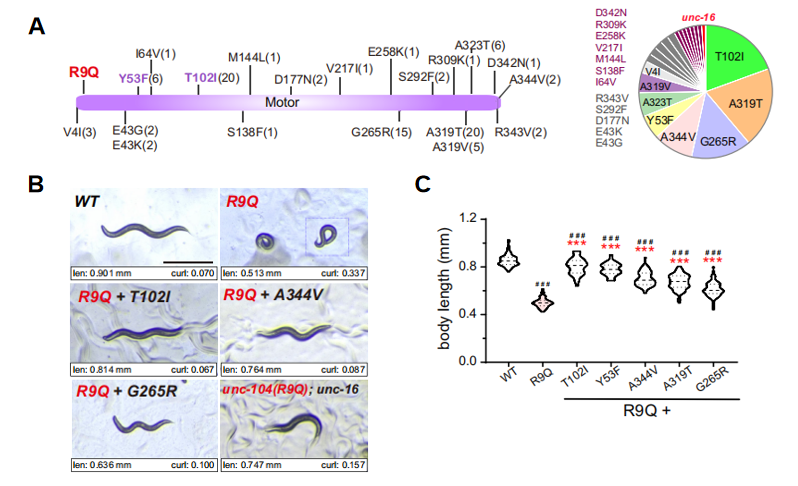
Figure 1. Identification of suppressor mutations via genetic screening
2. In vitro and in vivo experiments distinguish two independent rescue mechanisms
Biochemical assays and in-vivo nematode experiments were combined to decipher the mechanisms underlying intragenic suppressors. Human orthologues Y56F and T106I (corresponding to C. elegans Y53F and T102I) reside within the nucleotide-binding pocket and directly restore ATPase activity and motor motility of mutant KIF1A (Fig. 2A-2C). By contrast, A344V and G265R are located far from the ATP-binding pocket; they fail to restore basal motor activity in vitro yet partially rescue the in-vivo dynamic mobility of neuronal UNC-104 as measured by C. elegans FRAP assays (Fig. 2D-2E). This indicates that this subset of suppressors act through a mechanism independent of direct nucleotide-pocket repair; the authors propose this may involve unidentified intracellular regulatory factors, though this remains to be experimentally confirmed.
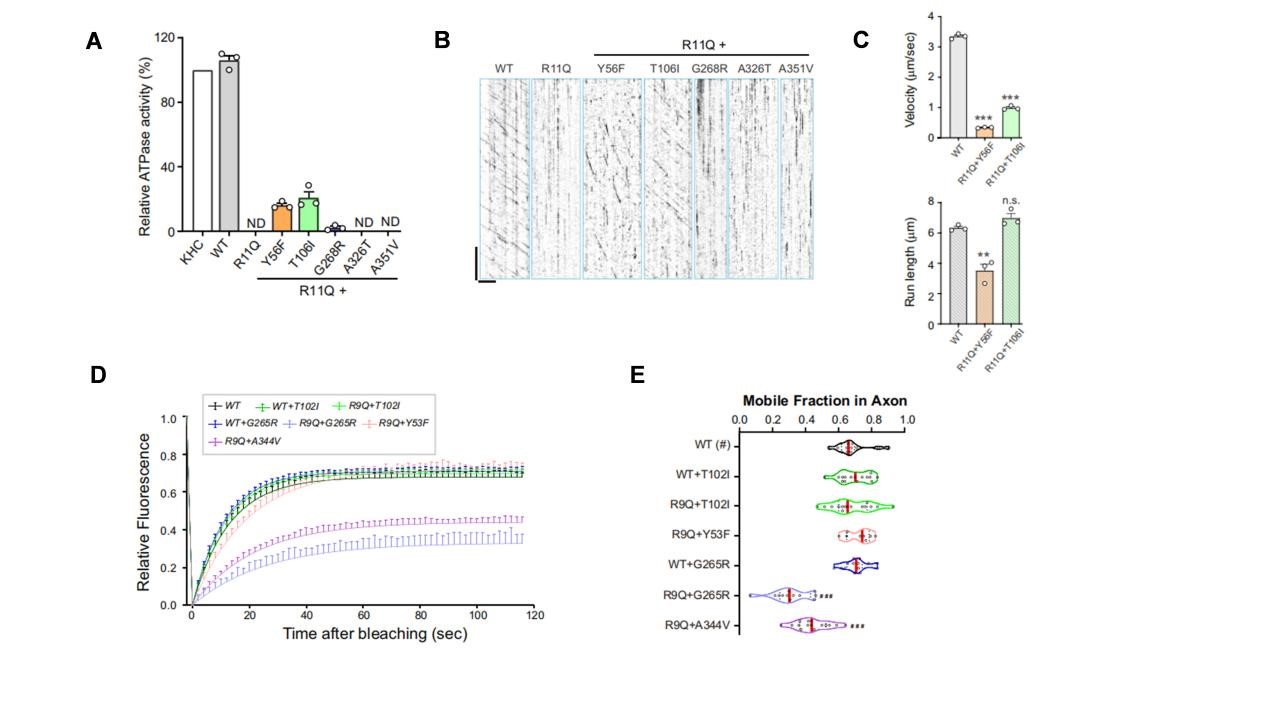
Figure 2. In vitro and in vivo experiments distinguish two independent rescue mechanisms
3. Natural flavonoid fisetin harbours mutation-specific therapeutic potential
Small-molecule therapeutic candidates were further investigated. The plant-derived flavonoid fisetin was found to specifically rescue defects caused by KIF1A(R11Q). Fisetin treatment dose-dependently improved locomotion and body morphology in mutant nematodes, and partially restored synaptic density and distribution in DA9 motor neurons (Fig. 3A-3F). Molecular docking simulations predicted that fisetin fits into the pocket created by the pathogenic mutation, while the wild-type R11 residue is predicted to sterically hinder fisetin binding (Fig. 4A). At nanomolar concentrations, fisetin partially restored ATP hydrolysis of mutant KIF1A, from undetectable levels to roughly 12% of wild-type activity. Single-molecule assays further validated that dormant mutant motors regain processive motility along microtubules upon fisetin exposure (Fig. 4B-D). Collectively, these data identify fisetin as a mutation-specific small-molecule candidate warranting further investigation for R11Q-type KAND.
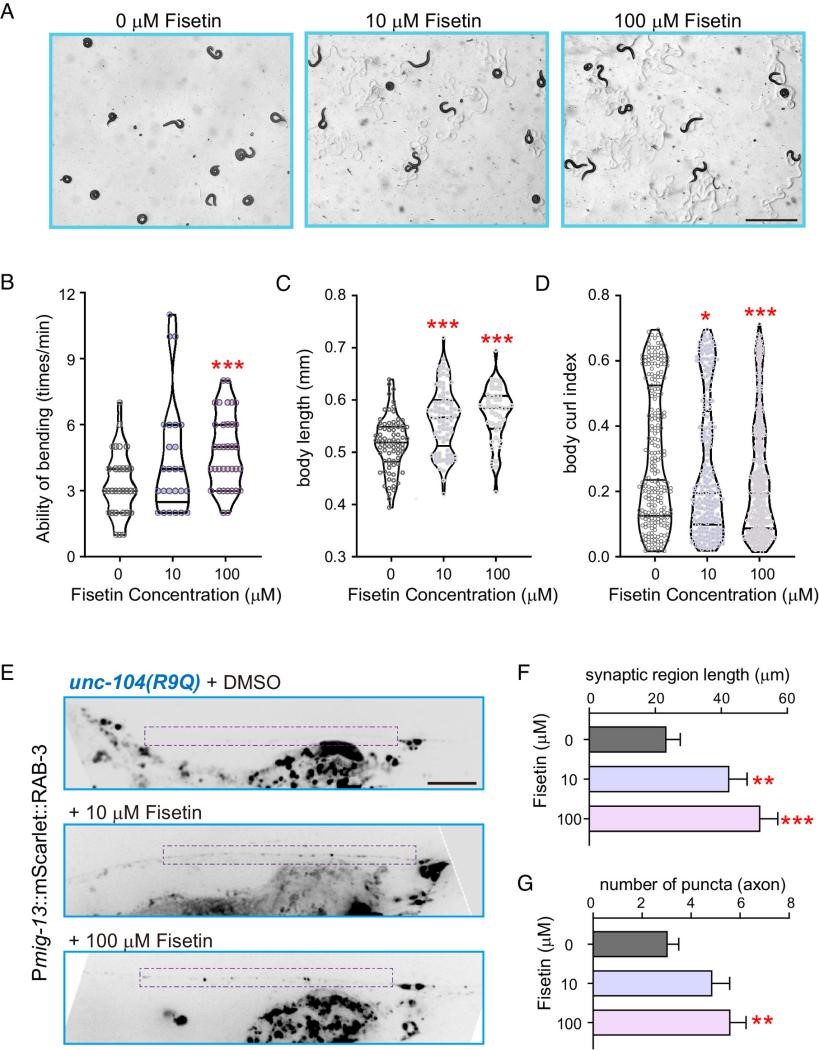
Figure 3. Fisetin partially recovered the motility and body morphology of unc-104(R9Q) animals
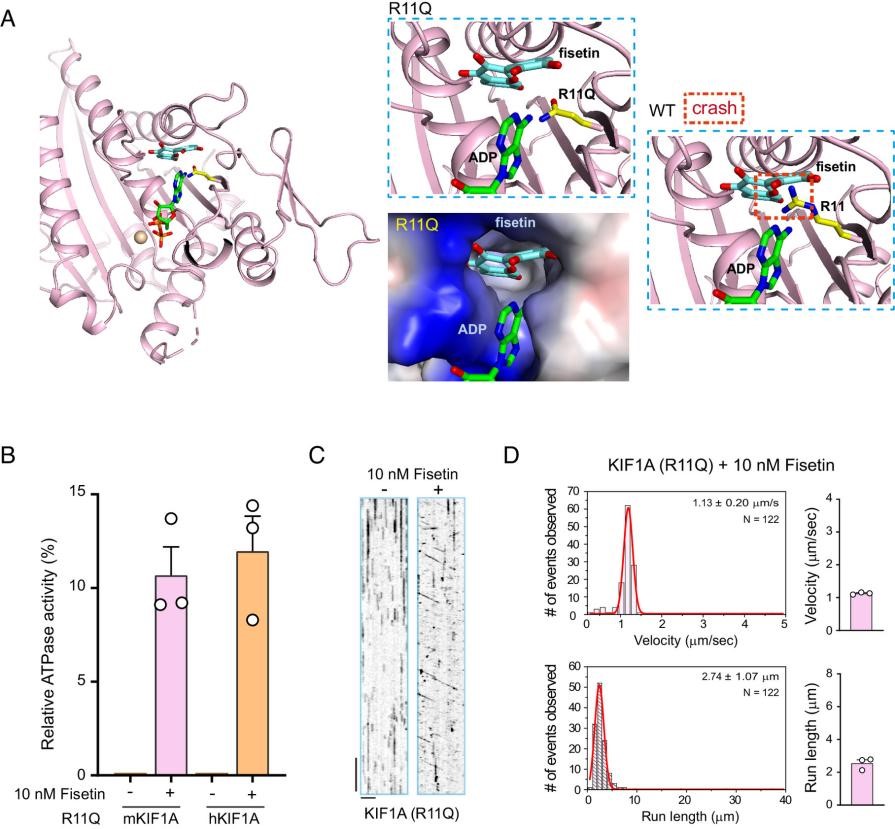 Figure 4. Fisetin restored the motor activity of KIF1A(R11Q) in vitro
Conclusion
Using a nematode disease model, this study established an experimental framework for investigating kinesin-mutation rescue and characterized two mechanistic classes of suppressor mutations. One class (Y53F/T102I) directly recovers kinesin ATPase activity and transport capacity; the other class, exemplified by A344V and G265R, ameliorates locomotor deficits through a mechanism independent of direct nucleotide-pocket repair, possibly involving intracellular regulatory factors that remain to be identified. Furthermore, the natural flavonoid fisetin specifically targets mutant KIF1A without perturbing wild-type protein function and reactivates impaired motor activity both in vitro and in C. elegans. These findings open new avenues for accessible dietary intervention and small-molecule drug development for this rare neurological genetic disorder, though the authors emphasize these are early-stage, preliminary findings that require further safety and efficacy evaluation before any therapeutic or supplemental use.
Reference
Chai Y, Li D, Gong W, Ke J, Tian D, Chen Z, Guo A, Guo Z, Li W, Feng W, Ou G. A plant flavonol and genetic suppressors rescue a pathogenic mutation associated with kinesin in neurons. Proc Natl Acad Sci U S A. 2024 Jan 30;121(5):e2311936121.
Do you need reliable, custom CRISPR/Cas9 models to drive your own breakthrough research? Contact SunyBiotech (service@sunybiotech.com) today to learn how our C. elegans strain construction services can accelerate your discoveries