Not All Lysosomes Are Equal: Organelle Proteomics Links Lysosomal Heterogeneity to Longevity
2026-07-21 17:12
Keywords: lysosomal heterogeneity; lysosomal proteome; lysosomal lipolysis; longevity; Caenorhabditis elegans
Introduction
Lysosomes are essential membrane-bound organelles in eukaryotic cells responsible for degradation and material recycling. In recent years, lysosomes have been recognized as integrative hubs coordinating cellular metabolism and signal transduction, and the regulatory mechanisms underlying their function have attracted growing attention for their connections to aging and longevity. Existing studies have demonstrated that lifespan modulation engages multiple processes, including autophagic flux activation, mTORC1/AMPK signaling cascade regulation, and lysosomal lipolysis. Nevertheless, a systematic dissection of how lysosomes remodel their proteomic composition to accommodate these regulatory demands remains lacking. A study published in eLife systematically characterizes lysosomal heterogeneity across tissues, distinct longevity pathways, and lysosomal maturation states. It further uncovers a novel lifespan-regulatory mechanism wherein lysosomal lipolysis drives lysosomal recruitment and perinuclear aggregation of AMPK.
Construction of SunyBiotech
SunyBiotech has constructed a number of fluorescent reporter strains to facilitate investigation into the regulatory effects of lysosomal proteomic heterogeneity on longevity:
PHX7950 Y58A7A.1(syb7950[Y58A7A.1::mNeonGreen])
PHX4893 R144.6(syb4893[R144.6::mNeonGreen])
PHX4827 lmp-1(syb4827[lmp-1::mNeonGreen])
PHX5019 ctns-1(syb5019[ctns-1::wrmScarlet])
PHX4805 ctns-1(syb4805[ctns-1::mNeonGreen])
PHX8005 lmtr-3(syb8005[wrmscarlet::lmtr-3])
1. Tissue Heterogeneity of the Lysosomal Proteome
Combining Lyso-IP with quantitative proteomic profiling, researchers performed tissue-specific dissection of lysosomal proteomes across the epidermis, muscle, intestine, and neurons of Caenorhabditis elegans. The results reveal striking tissue-specific distribution patterns of lysosomal proteins: only a small subset of proteins exhibits uniform expression across all tissues, while nearly half display tissue-specific enrichment (Figure 1). These observations demonstrate intrinsic tissue-specific functional heterogeneity of lysosomes, laying a foundational framework for tissue-specific differences in lifespan regulation.
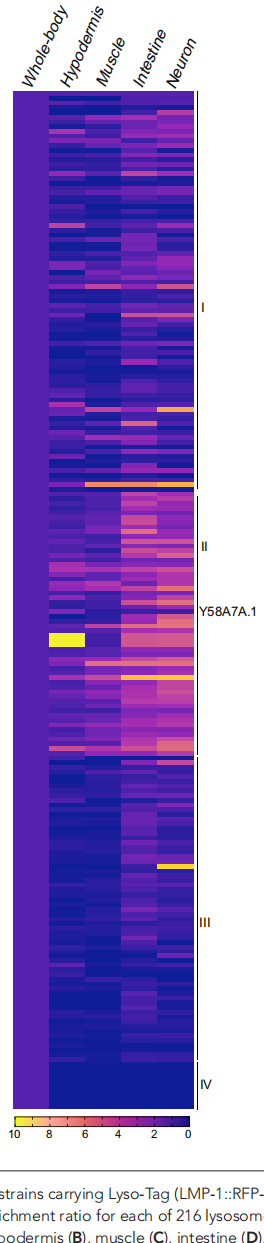
Figure 1. Tissue Heterogeneity of the Lysosomal Proteome
2. Distinct Longevity Pathways Remodel the Lysosomal Proteome in a Pathway-Specific Manner
Building on the intrinsic heterogeneity of lysosomes, the authors further compared lysosomal proteomes from four canonical long-lived mutant models. Their data indicate that each lifespan-extending pathway remodels the lysosomal proteome with a highly unique signature. Compared with long-lived daf-2, isp-1, and glp-1 mutant strains, lipolysis-driven longevity mediated by lipl-4 elicits the most extensive and distinctive remodeling of the lysosomal proteome (Fig. 2A and 2D). Lysosomes from lipl-4 transgenic long-lived worms show specific enrichment of the Ragulator complex and v-ATPase subunits required for luminal acidification, alongside selective recruitment of the AMPK catalytic subunit AAK-2 to the lysosomal surface, indicative of an elevated proportion of mature acidic lysosomes (Fig. 2B). Genetic epistasis assays confirm that loss-of-function aak-2 combined with aak-1 RNAi partially suppresses the lifespan extension conferred by lipl-4 overexpression, establishing that lysosome-restricted AMPK activation is indispensable for lipolysis-induced longevity (Fig. 2C and 2E).
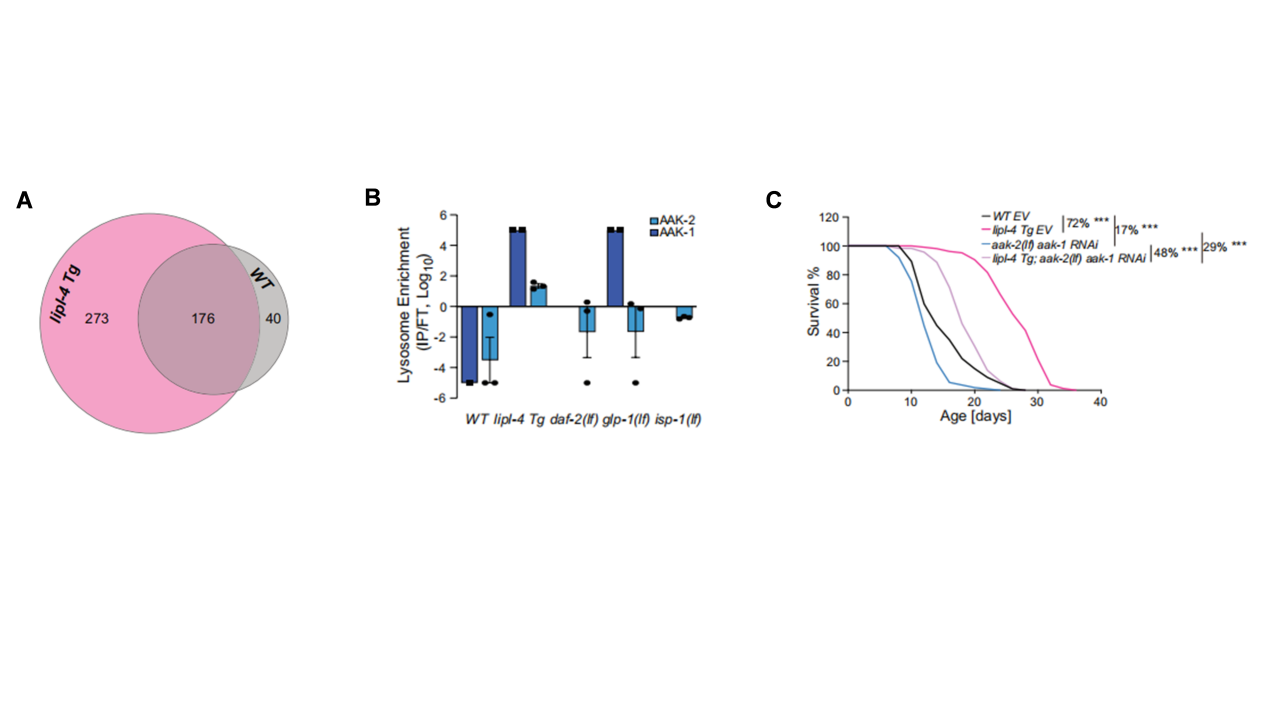
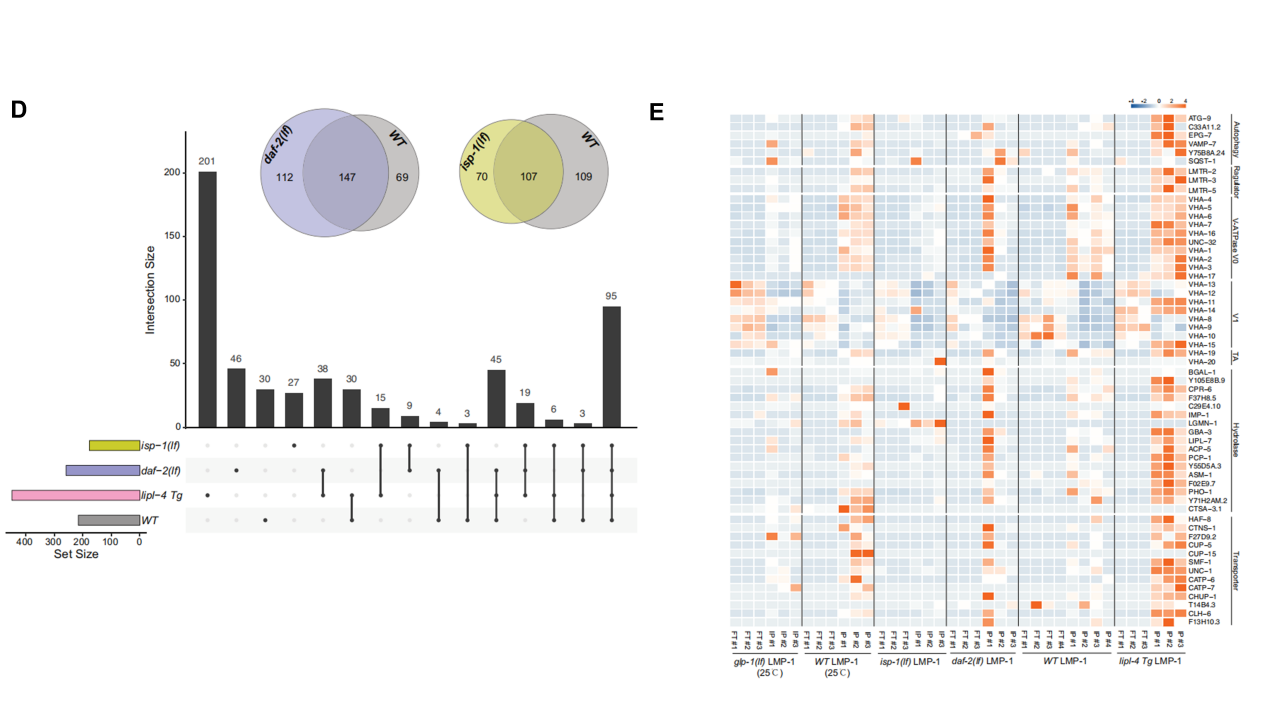
Figure 2. Distinct Longevity Pathways Remodel the Lysosomal Proteome in a Pathway-Specific Manner
3. Lysosomal Lipolysis Governs Longevity via Perinuclear Lysosomal Aggregation and Lysosome-Nucleus Communication
Building upon the pathway-specific rewiring of the lysosomal proteome, the study delineates an unprecedented longevity mechanism exclusive to lipl-4 involving bidirectional lysosome-nucleus communication. Integrative proteomic and imaging analyses validate that LIPL-4-dependent lysosomal lipolysis promotes perinuclear clustering of lysosomes and selective accumulation of nuclear pore proteins NPP-6 and NPP-15 at lysosomal compartments. RNAi-mediated knockdown of npp-6 completely abolishes the lifespan extension of lipl-4 transgenic animals yet exerts no impact on the lifespan of daf-2(lf) mutants, proving that NPP-6 and nuclear import signaling serve as indispensable mediators of this lipolytic longevity cascade (Fig. 3A–3C). Moreover, Regulator complex components and mTORC1 regulatory factors preferentially accumulate within Cystinosin-positive mature acidic lysosomes, corroborating that acidified mature lysosomes act as the central subcellular platform integrating metabolic and longevity signals (Fig. 3D).
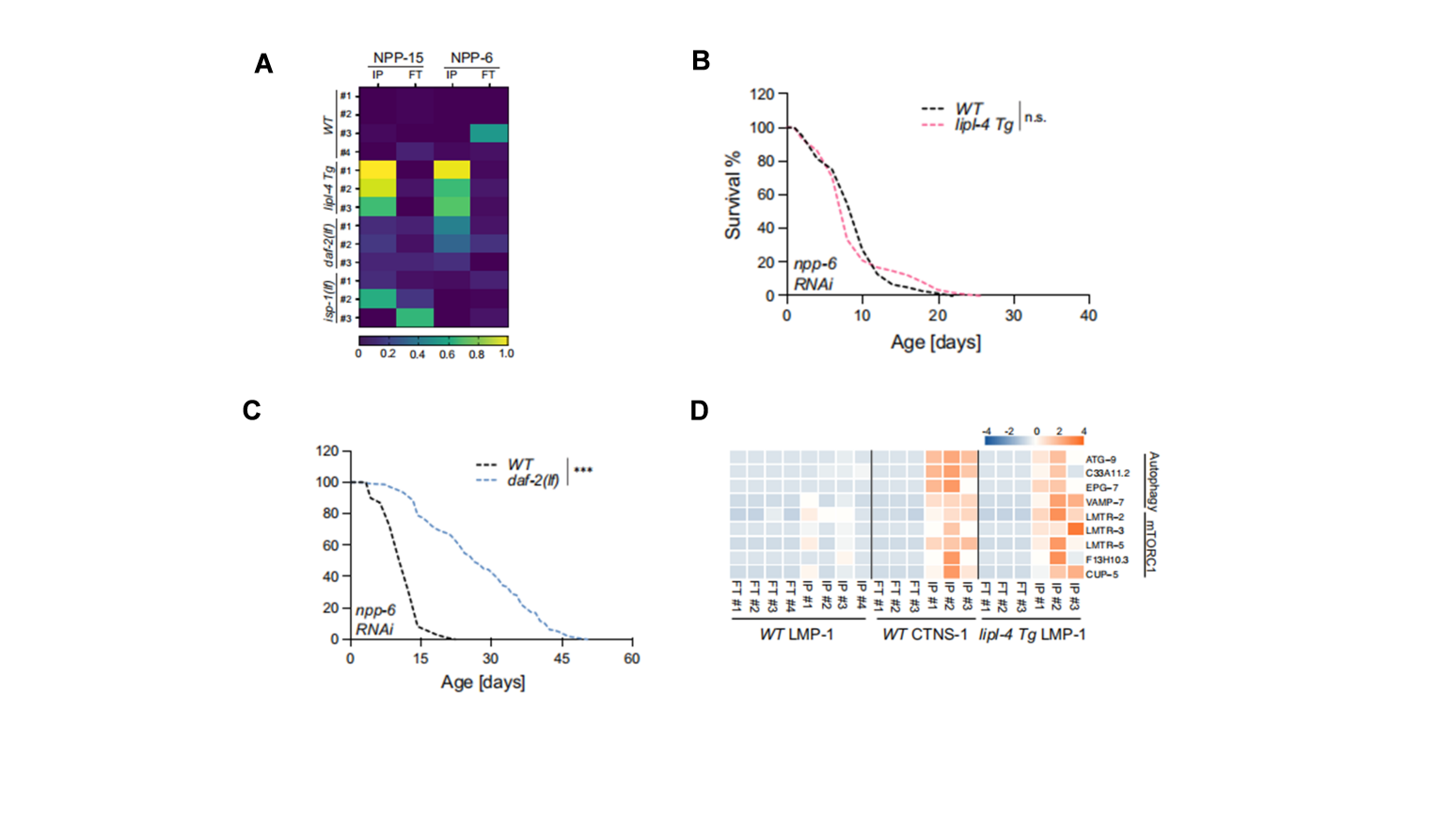
Figure 3. Lysosomal Lipolysis Governs Longevity via Perinuclear Lysosomal Aggregation and Lysosome-Nucleus Communication
Conclusion
This study establishes the causal link between lysosomal heterogeneity and longevity at a systemic level for the first time. It delineates prominent lysosomal proteome heterogeneity across tissues and among distinct longevity regulatory axes and mechanistically dissects the subcellular cascade through which lysosomal lipolysis promotes longevity via spatially confined AMPK activation and lysosome-nuclear juxtaposition. These findings introduce the paradigm of "remodeled lysosomal heterogeneity" as a new regulatory framework governing aging and identify promising molecular targets for the development of anti-aging interventions. Future research should investigate the evolutionary conservation of lysosomal heterogeneity in mammalian aging and evaluate the therapeutic potential of tuning lysosomal subpopulations to extend healthspan.
Reference
Yu Y, Gao SM, Guan Y, Hu PW, Zhang Q, Liu J, Jing B, Zhao Q, Sabatini DM, Abu-Remaileh M, Jung SY, Wang MC. Organelle proteomic profiling reveals lysosomal heterogeneity in association with longevity. Elife. 2024 Jan 19;13:e85214.
Do you need reliable, custom CRISPR/Cas9 models to drive your own breakthrough research? Contact SunyBiotech (service@sunybiotech.com) today to learn how our C. elegans strain construction services can accelerate your discoveries